
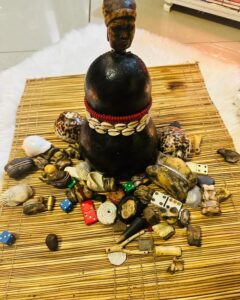

Love spells refer to a branch of magic or folk practices aimed at influencing romantic attraction, desire, or relationships, often through rituals, incantations, potions, or symbolic items like candles, herbs, and talismans. They appear in various cultures worldwide, from ancient traditions to modern witchcraft, and are typically used to spark new love, strengthen existing bonds, or sometimes manipulate emotions—though the latter raises ethical concerns.

Historical Context
Love spells have deep roots in human history. In ancient Greece and Rome, for example, they were documented in magical papyri, where spells invoked deities or used symbolic objects like seashells inscribed with names to “fetch” or bind a desired person. Similar practices existed in medieval grimoires, and they persist in folk beliefs across religions, including early Christian communities that incorporated magical elements into love rituals. In many cases, these were tied to broader magical systems, blending superstition, spirituality, and cultural customs.
Types of Love Spells
Common variations include:
- Attraction spells: Designed to draw general romantic interest, often using items like red candles (symbolizing passion) or herbs such as rose and lavender for harmony and love.
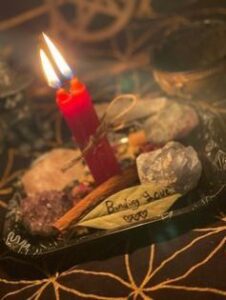
- Binding or obsession spells: Aimed at making someone fixated on the caster, sometimes involving personal items or written intentions, though these are controversial for potentially overriding free will.
- Healing or self-love spells: Focused on mending heartbreak or boosting personal confidence, using gentle elements like honey jars for sweetness in relationships or full moon rituals for emotional renewal.

- Specific target spells: These direct energy toward one person, such as through sigils or potions, but they’re debated in witchcraft communities for ethical reasons.
Modern interpretations often emphasize positive intent, like manifesting love through visualization or simple household items, rather than coercion. Some sources claim certain spells “work immediately,” but results are subjective and tied to belief in manifestation.
Ethical Considerations
Opinions on love spells vary widely. Proponents view them as harmless ways to enhance natural connections or self-love, aligning with principles like “harm none” in Wicca. Critics argue many are manipulative, essentially functioning as sex or control spells disguised as romance, and warn against interfering with others’ autonomy. In witchcraft ethics, forcing affection is often seen as negative karma, with a preference for spells that attract compatible partners organically rather than targeting individuals.
Overall, love spells blend folklore, psychology, and spirituality. While some people swear by them for boosting confidence or relationships, skeptics attribute any “success” to placebo effects or coincidence.
